The Future of Field Service Management: Trends to Watch in 2026
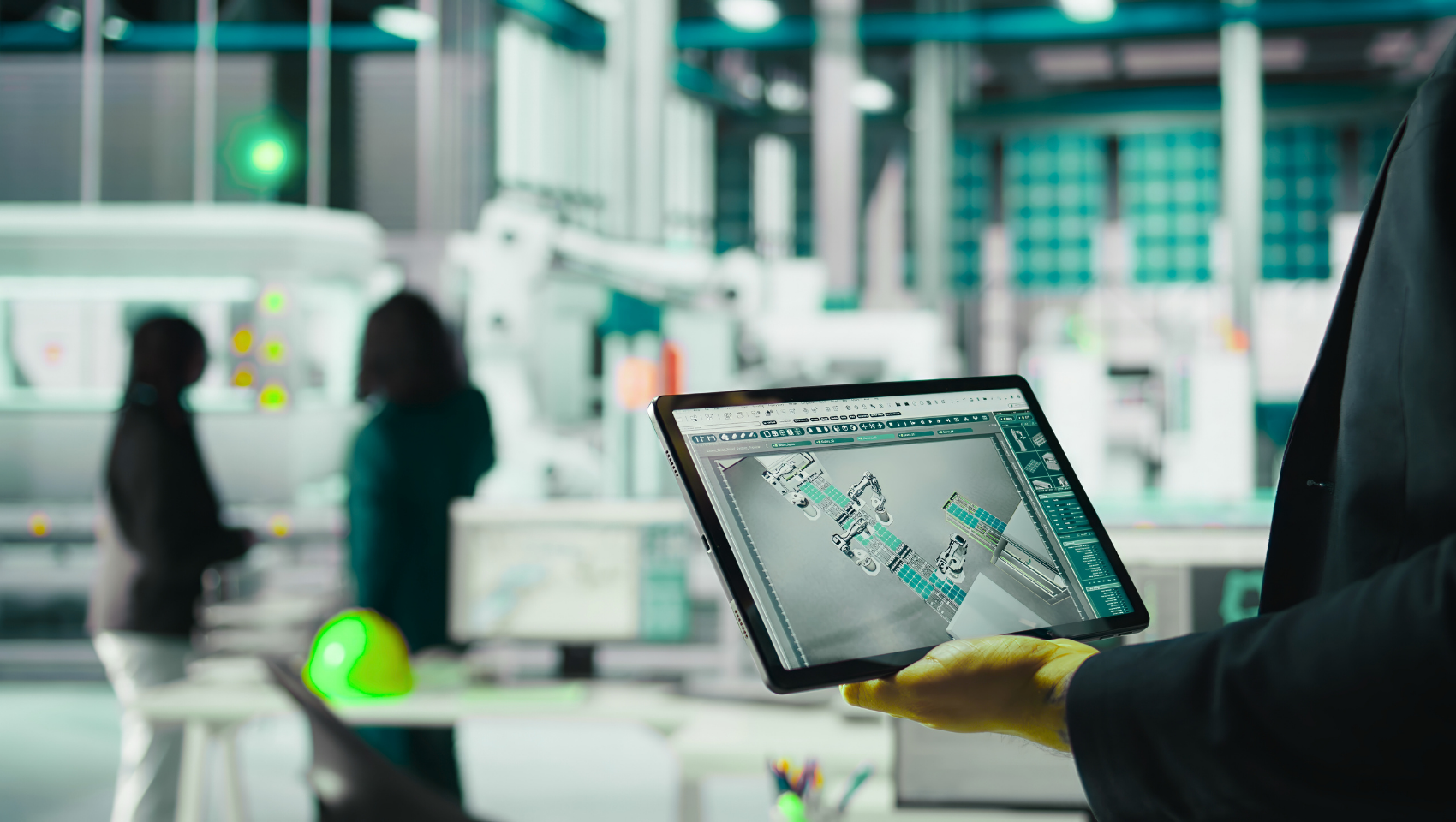
The landscape of Field Service Management (FSM) is shifting rapidly. As we move into 2026, businesses are moving beyond manual scheduling to full-scale deployment of AI-driven solutions. This transition is driven by the need for greater efficiency, faster response times, and data-driven decision-making. Industry leaders are reporting a 40% improvement in operational efficiency after implementing intelligent FSM systems.
1. AI-Driven Dispatching: The New Standard
One of the most significant trends is the rise of autonomous dispatching. Unlike manual assignment, AI algorithms can analyze thousands of variables—technician skills, location, traffic patterns, job priority, customer preferences, and even technician fatigue levels—to create the perfect schedule in seconds.
Consider this scenario: A service manager receives 15 new jobs at 9 AM. Traditional dispatching might take 30 minutes of manual work, with suboptimal routes. App-Togo's AI evaluates all possible combinations and delivers an optimized schedule in under 30 seconds, accounting for technician expertise, travel time, and potential delays. This means your team completes more jobs per day with less downtime and idle travel time.
The financial impact is substantial. Companies implementing AI dispatching report:
- 25-35% reduction in travel time
- 20% increase in jobs completed per technician per day
- 15% improvement in customer satisfaction due to accurate ETAs
- 30% reduction in fuel costs
2. Predictive Maintenance: Transform Reactive to Proactive
IoT sensors and AI models are enabling businesses to predict equipment failures before they happen. This shift from reactive to proactive maintenance reduces downtime and extends the lifespan of critical assets by an average of 22%.
Here's how it works: Smart sensors embedded in equipment continuously monitor performance metrics—temperature, vibration, electrical consumption, and more. Machine learning models analyze these patterns to identify degradation trends. When the system detects signs of impending failure, it alerts your team with a predictive maintenance schedule, allowing technicians to perform preventative repairs during planned visits rather than emergency calls.
Real-world impact: A manufacturing company using predictive maintenance reduced unexpected breakdowns by 65%, saving $2.3M annually in lost production time and emergency service costs.
3. Mobile-First Empowerment: Technicians as Data Collectors
Modern field service technicians are being empowered with mobile tools that provide instant access to job history, technical manuals, spare parts inventory, and remote expert support via video conferencing. This access to real-time information dramatically improves first-time fix rates.
Key benefits:
- First-Time Fix Rate (FTFR): Improved from 68% to 92% by providing technicians instant access to complete job history and manufacturer specifications
- Job Completion Time: Reduced by 18% through better resource planning and instant expert consultation
- Technician Satisfaction: Increased job satisfaction scores by 35% due to reduced frustration and support availability
- Customer Satisfaction: NPS scores improved by 22 points on average
4. Real-Time Visibility and Customer Transparency
Customers today expect transparency. Real-time GPS tracking and automated customer notifications transform the service experience. Customers know exactly when technicians will arrive, can track progress, and receive proactive updates. This visibility reduces support calls by 40% and improves customer retention.
Looking Ahead: What Your Business Needs
To stay ahead in 2026, enterprises must adopt a strategic approach to FSM:
- Invest in scalable infrastructure: Cloud-based solutions that grow with your business
- Focus on talent development: Train your team to work alongside AI tools, not be replaced by them
- Embrace digital transformation: Integrate IoT, AI, and mobile-first thinking into your service delivery model
- Prioritize data security: Implement robust cybersecurity measures as your operations become more connected
The businesses that thrive in 2026 will be those that leverage technology to enhance human capability, not replace it. FSM is no longer just about scheduling—it's about creating a connected ecosystem where data, technology, and people work together to deliver exceptional service.